Rough Times Regular: A Font That Brings Authentic Grit to Your Work
There's a certain kind of visual language that speaks to texture, history, and a bit of raw edge. It’s the look of a well-worn leather journal, a vintage movie poster, or the lettering on a hand-painted shop sign. If you're trying to inject that feeling of authenticity and character into a digital project, the right typeface is your most powerful tool. This is where a textured display font like Rough Times Regular comes into its own, offering a bridge between polished digital design and the tangible, imperfect charm of analog materials.
More Than Just Letters: Understanding the Font's Personality
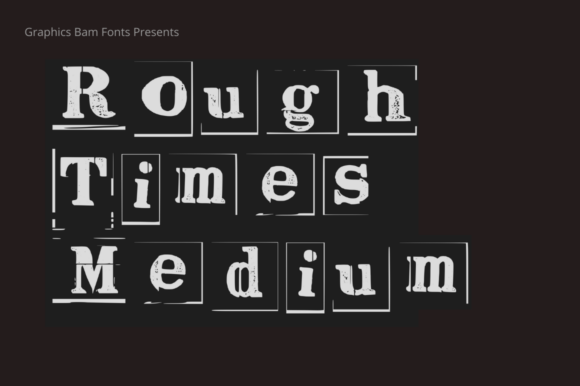
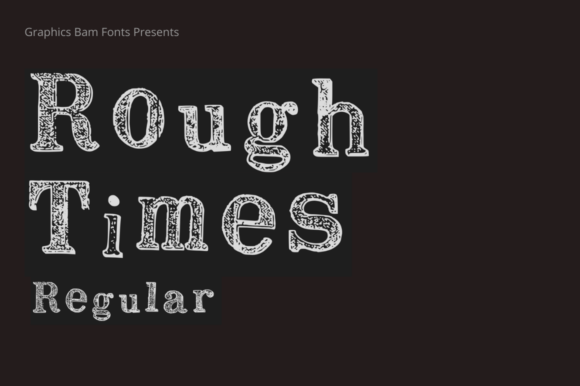
At its core, Rough Times Regular is a serif display font, but that simple classification doesn't tell the whole story. Its defining feature is a subtle, weathered texture applied to the edges of each glyph. This isn't a grunge font that's been distressed to the point of illegibility. Instead, it maintains a clean, legible structure while adding a layer of visual interest that feels organic and intentional. The texture suggests age, craftsmanship, and a story behind it, making it an excellent choice for projects that need to convey depth and personality rather than sterile perfection.
This kind of creative font excels where you need headlines or logos to pop off the screen or page. It’s a premium font that provides that "designed" feel right out of the box, saving you the step of manually adding texture effects in Photoshop or Illustrator. For a small business owner or a content creator, this means achieving a professional, editorial look with far less effort.
Where This Textured Typeface Truly Shines: Practical Applications
The real value of a design asset is measured by its versatility. Rough Times Regular isn't a one-trick pony; its balanced blend of readability and character allows it to adapt to a surprising range of creative and commercial projects.
- Branding & Logo Design: For brands in the coffee, craft, outdoor, or artisanal food space, this font can become a cornerstone of a brand identity. It immediately sets a tone that's trustworthy, handmade, and substantial. Think coffee shop menus, brewery logos, or the branding for a boutique clothing line.
- Packaging Design: On a shelf crowded with clean, minimalist sans serif fonts, a textured serif stands out. Use it for product names on labels for hot sauce, granola, candles, or spirits to communicate quality and heritage before the customer even reads the description.
- Social Media Graphics: In a fast-scrolling feed, you have a split second to grab attention. A bold headline set in Rough Times can stop the scroll, especially for quote graphics, announcement posts, or promotional banners for events and sales. It adds a layer of sophistication to Instagram stories and Pinterest pins.
- Web Design & Blogs: While not suited for body text, it makes a stunning choice for blog post titles, section headers, or a hero image tagline on a website. It helps break the monotony of standard web fonts and injects personality into a digital space.
- Print & Editorial Layouts: This is where the font feels most at home. Use it for magazine cover headlines, chapter titles in a book, poster designs for events, or the masthead of a newsletter. It brings a tactile quality to printed materials that digital-only fonts often lack.
- Invitations & Merchandise: From wedding invitations with a rustic theme to the lettering on a t-shirt or tote bag, its textured appearance translates beautifully to physical merchandise, giving items a custom, boutique feel.
Building a Stronger Visual Identity with Intentional Typography
Choosing a typeface like Rough Times is a strategic decision that impacts how your audience perceives your brand. Consistency in using such a distinct font across your platforms—website, social media, packaging—builds immediate brand recognition. When someone sees that specific textured serif, they'll start to associate it with your business.
However, power comes with responsibility. The very texture that makes it appealing requires careful consideration of readability. It’s perfect for large, short headlines but would become difficult to read in a long paragraph of small text. Always prioritize legibility, especially for crucial information. Test it at the exact size and on the background you plan to use. A dark font on a busy, textured background might lose its impact, while the same font on a clean, solid color will stand out crisply.
Making It Work: Pairings and Practical Considerations
A display font rarely works alone. The key to professional typography is creating a harmonious pairing. Because Rough Times has so much character, it pairs best with simpler, cleaner fonts for supporting text.
- With a Sans Serif: A classic combination. Pair it with a neutral sans serif font like Open Sans, Lato, or Montserrat for body copy. The contrast lets the headline shine while keeping the overall design balanced and easy to read.
- With a Clean Serif: For a more traditional or editorial feel, a simple serif font like Georgia or Times New Roman can work well, provided there's enough contrast in weight and style.
- With a Script or Handwritten Font: Use this cautiously. If your project calls for a very organic, artisanal vibe, a simple script font could work for accents, but avoid pairing two highly decorative fonts together, as they will compete for attention.
Before committing to any premium font for a large project, check the licensing. Ensure it covers commercial use for your specific application, whether that's for a client's logo, merchandise for sale, or a digital product. Reputable font marketplaces will make this information clear. Also, explore the full family. While this article focuses on the regular weight, many textured fonts come with variations like bold or italic, giving you more tools to create hierarchy and emphasis in your designs.
Ultimately, a font like Rough Times Regular is a specialized tool in your design toolkit. It’s not the right choice for every job, but for the right project, it can be the element that transforms good design into something memorable and resonant. It’s about choosing a typeface that doesn’t just hold words, but helps tell your story.