Retro Pizza Regular Font: A Slice of Vintage Charm
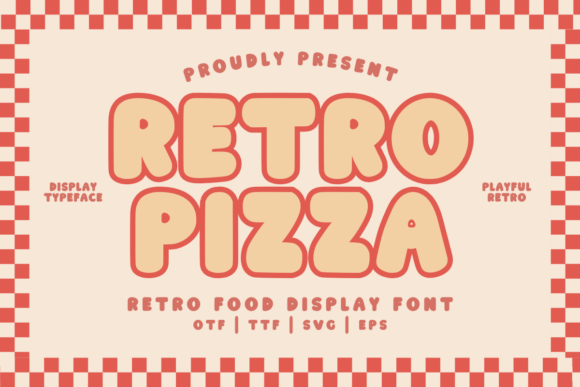
There’s something instantly comforting about the visual language of a 1970s pizza parlor or a classic diner menu. It’s a feeling of warmth, nostalgia, and unpretentious fun. Capturing that specific, friendly vibe in modern design is no small feat, but finding the right typeface is the essential first step. Enter a bold, rounded display typeface that feels like a direct line to that era, offering a perfect blend of playful character and solid design fundamentals for your next project.
More Than Just a Nostalgic Look
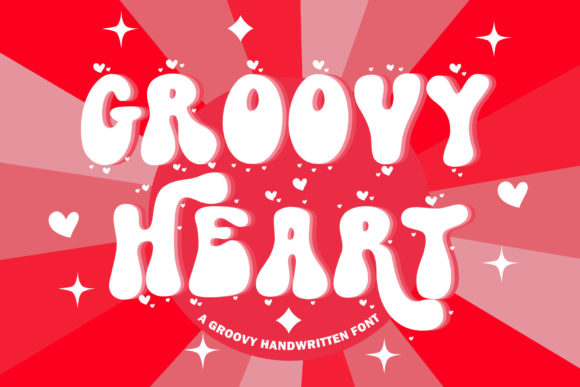
At first glance, the appeal is obvious: thick, soft-edged letterforms with generous counters that create an inflated, cheerful presence. This isn't a font that takes itself too seriously, and that's its greatest strength. The geometric proportions are thoughtfully consistent, ensuring that despite its decorative, retro flair, it remains surprisingly legible. This balance is crucial—it allows the typeface to carry personality without sacrificing function, a common pitfall with overly stylized display fonts.
Think about the brands that evoke a sense of authentic, time-tested quality. Their visual identity often leans on typography that feels established and approachable. This particular retro font does exactly that. Its exaggerated weight and rounded edges communicate friendliness and accessibility, making it an excellent choice for any brand identity aiming to connect with an audience on a human, nostalgic level.
Where This Typeface Truly Shines
The practical applications for a font with this much personality are surprisingly broad. Its primary role is as a headline or logo typeface, where its bold character can command attention and set the thematic tone for an entire design system. For logo design, it’s a natural fit for businesses in the food and beverage industry, entertainment, or any brand wanting to project a fun, approachable image. Imagine it on a craft brewery label, a vintage-style candy wrapper, or the logo for a family-friendly amusement center.
Beyond the core brand mark, consider these powerful uses:
- Packaging Design: It can instantly make a product feel artisanal and full of character, standing out on a crowded shelf.
- Social Media Graphics: Use it for bold text overlays on Instagram stories or Facebook ads to create scroll-stopping posts that feel energetic and engaging.
- Print Materials: From posters and flyers for a local event to menus for a café, it injects a dose of personality that generic sans-serifs lack.
- Merchandise & Invitations: It’s perfect for t-shirt designs, tote bags, or playful party invitations where a fun, thematic vibe is the goal.
For web design and blogs, it’s best used strategically—as a striking H1 or for featured quotes—rather than for body text. Its role in editorial design and digital products is similar: use it to create impactful chapter titles, module headers, or call-to-action buttons that guide the reader’s eye with a friendly nudge.
Pairing and Practicality: Making It Work for You
A common question with such a distinctive creative font is: what do I pair it with? The key is to let it be the star. Pair it with a clean, neutral sans serif font for body copy. A modern grotesque or a humanist sans-serif will provide excellent readability while creating a beautiful contrast that highlights the headline font's unique shape. For a more layered look, a simple, legible script font or handwritten font could be used sparingly for accents, but caution is needed to avoid visual clutter.
When selecting your font style, always test it in the context of your actual project. View it at the intended size on both screen and print if possible. Does the spacing feel right? Does the character set include all the punctuation and glyphs you need? Checking the available styles—like a potential bold or italic variant—can also expand your design toolkit within a single typeface family.
One final, crucial consideration is licensing. If you're using this for a client project, merchandise for sale, or a commercial product, you need to ensure you have the appropriate commercial font license. Reputable foundries and marketplaces are clear about usage rights, so always review the license agreement. This protects both you and your client, ensuring your beautiful design assets are used legally and ethically.
Ultimately, choosing a typeface like this is about making a deliberate visual choice. It’s not just a premium font; it’s a tool for storytelling. It helps build visual consistency and brand recognition by anchoring your project in a specific, appealing aesthetic. By using it thoughtfully, you can improve your project's professional presentation and foster genuine audience engagement through the powerful, emotional pull of well-executed modern typography.