Rough Times Medium Font: The Textured Typeface for Authentic Brands
There’s a particular feeling you get when you see a design that just works. It might be on a craft coffee bag, a boutique clothing tag, or a social media graphic for a local bakery. The typography doesn’t just sit on the surface; it feels like it belongs, adding texture, personality, and a sense of authenticity. That’s the kind of tangible presence the Rough Times Medium Font brings to the table. It’s not just another typeface; it’s a design asset with a distinct, rough-hewn character that can instantly communicate warmth, craftsmanship, and a hands-on approach.
More Than Just Letters: The Visual Power of a Textured Display Font
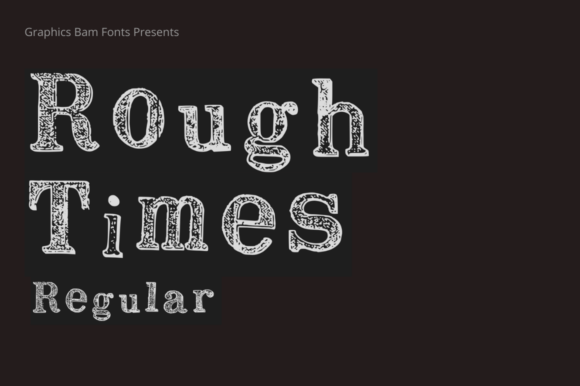
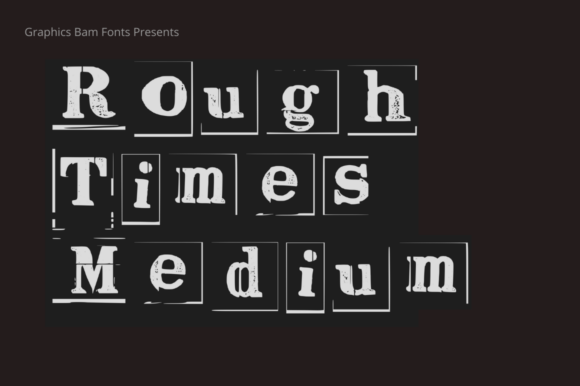
At its core, Rough Times is a display font, meaning it’s designed to make an impact in headlines, logos, and other prominent placements rather than in long body copy. Its defining feature is the subtle, gritty texture integrated into each letterform. This isn’t a smooth, polished sans serif font or a classic, clean serif font. Instead, it has an organic, slightly distressed quality that mimics the look of a vintage stamp, a worn sign, or hand-painted lettering.
This texture is what makes it so visually appealing for specific projects. It adds depth and a tactile quality that flat, digital fonts often lack. For a brand identity aiming to feel artisanal, rustic, or nostalgic, this font does a lot of the heavy lifting. It suggests a story, a process, and a human touch behind the brand. Think of a logo design for a craft brewery, a packaging design for homemade jam, or the masthead for a gardening blog—the rough texture immediately aligns the visual language with the brand's core values.
Practical Applications: Where This Creative Font Shines
The versatility of a font like Rough Times Medium is found in its ability to adapt to different contexts while maintaining its unique voice. It’s a true workhorse for creative projects that need to stand out with character.
- Branding & Logo Design: This is where it truly excels. Using it for a wordmark or as part of a logo lockup gives a brand an instant sense of authenticity. It works beautifully for businesses in the food, beverage, outdoor, craft, and lifestyle spaces.
- Packaging Design: On product labels, boxes, or tags, the font’s texture helps products feel premium and considered. It can make a shelf presence feel more curated and less mass-produced.
- Social Media Graphics: In the fast-scrolling world of Instagram or Pinterest, a bold, textured headline font grabs attention. It’s perfect for quotes, announcements, or promotional graphics that need a punch of personality.
- Website & Blog Headers: While you wouldn’t use it for paragraphs of text, setting a blog title or a website hero section in Rough Times can establish a strong visual tone from the first second a visitor lands on the page.
- Print Materials & Merchandise: Think about posters, event flyers, tote bags, or t-shirts. The font’s gritty style translates well to print, especially when you want a vintage or urban feel. It’s also a fantastic choice for merchandise like stickers or hats.
- Invitations & Editorial Layouts: For wedding invitations with a rustic theme, a music festival poster, or the chapter titles in a cookbook, this font adds a layer of stylistic flair that generic fonts can’t match.
Improving Your Visual Communication with the Right Typeface
Choosing a font like Rough Times Medium isn’t just about aesthetics; it’s a strategic decision that can improve how your audience perceives and engages with your content. Here’s how it contributes to stronger visual communication:
Enhanced Brand Recognition: A unique, textured typeface is highly memorable. When consistently used across your marketing assets—from your website to your email headers—it becomes a recognizable part of your visual identity. People start to associate that specific look and feel with your brand.
Setting the Right Tone: Typography is a silent ambassador for your brand’s personality. Rough Times communicates approachability, creativity, and a DIY spirit. It tells your audience you value quality and craftsmanship, which can build trust and affinity.
Creating Visual Hierarchy: In design, contrast is key. Pairing the bold, textured Rough Times with a clean, simple script font or a neutral sans serif for body copy creates a clear and pleasing hierarchy. The headline pops, and the supporting text remains easy to read. This is a fundamental principle of good font pairing.
Making It Work for You: Practical Tips for Designers and Creators
Ready to experiment? Here’s some practical advice for integrating this premium font into your workflow effectively.
Context is Everything. Before you select any font, define your project’s goal. Is the aim to look trustworthy and professional? Fun and whimsical? Rugged and outdoorsy? Rough Times fits a specific niche—ensure your project’s personality aligns with its textured, display-oriented style. It might not be the best fit for a corporate law firm’s annual report, but it’s perfect for a startup’s launch campaign.
Test Your Pairings. Never use a display font in isolation. The magic happens in combination. Load Rough Times into your design software and test it alongside potential body fonts. A classic sans serif font like Open Sans or Lato often provides a clean, readable counterpoint. For a more cohesive vintage feel, you might explore pairing it with a simple handwritten font. The goal is balance, not competition.
Readability Comes First. Because of its textured nature, be mindful of size and background. At very small sizes, the texture can become muddy and reduce legibility. Use it for headlines, subheads, and logos where it can be displayed at a size that allows its character to shine. Always check the contrast against your background color—a busy image might require a solid color overlay behind the text to maintain clarity.
Understand What’s Included. When you acquire a commercial font like this, review the font files and license. Does it include multiple weights or styles (e.g., Bold, Regular)? Are there special characters or alternates? Understanding the full package helps you leverage its capabilities fully. And always, always check the licensing terms to ensure your use—whether for a client project, merchandise, or digital products—is properly covered.
In a world saturated with digital noise, the tactile, human feel of a font like Rough Times Medium can be a powerful differentiator. It’s a tool for designers, entrepreneurs, and creators to add a layer of authenticity and visual interest that resonates on a deeper level. By applying it thoughtfully to the right projects and pairing it wisely, you can transform good design into something truly memorable.