Lovable Dahlia Font: The Charming Typeface for Standout Design
There’s a particular kind of font that doesn’t just sit on a page—it practically bounces off it. It’s the typeface that makes you pause mid-scroll, the one that feels like a warm hug or a playful wink. That’s the immediate charm of Lovable Dahlia Font. This isn’t just another display typeface; it’s a burst of personality packaged into a single, versatile design asset. For anyone building a brand, designing a product, or creating content that needs to feel approachable and full of life, understanding what a font like this brings to the table is the first step toward making your work truly connect.
A Personality That Pops: More Than Just a Cute Face
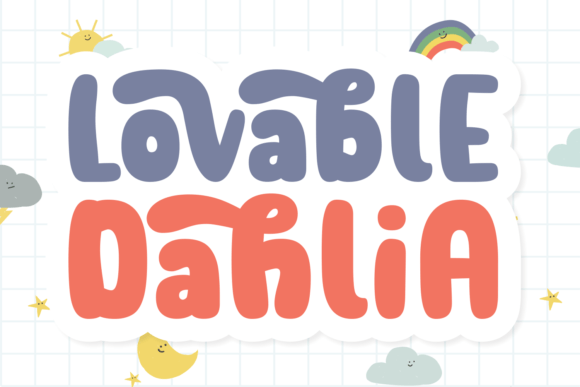
At its core, Lovable Dahlia is a cute and chubby display font. Think rounded edges, generous curves, and a friendly, almost tactile presence. But calling it “cute” undersells its potential. This is a creative font with serious range. The visual weight and soft geometry give it an inherent sense of trust and approachability—qualities that are gold in brand identity work. It doesn’t scream for attention with sharp edges or stark lines; instead, it draws you in with a welcoming vibe. This makes it incredibly effective for projects where you want to communicate joy, creativity, and reliability all at once. The included swashes and alternate glyphs, easily accessible thanks to its PUA encoding, allow you to add custom flourishes, turning a simple headline into a unique piece of lettering.
Where This Typeface Truly Shines: Practical Applications
The real test of any premium font is its utility. Where does a typeface with this much personality actually work? The answer is surprisingly broad, bridging the gap between digital and physical, professional and personal.
- Branding & Logo Design: For bakeries, children’s brands, boutique shops, or any business wanting a friendly, modern identity, Lovable Dahlia offers an instant recognizable character. It sets a tone before a customer even reads a word.
- Packaging & Merchandise: Imagine this font on a coffee bag, a candle label, or a t-shirt. Its bold, clear shapes ensure product names stand out on crowded shelves, while its charm enhances the perceived value of the product.
- Digital Presence: From social media graphics that stop the scroll to website headers that invite visitors to explore, it injects personality into a web design project. It’s perfect for blog titles, call-to-action buttons, and hero images.
- Print & Editorial: Use it for poster headlines, invitation titles, or magazine pull-quotes. In editorial design, it can break up dense text and guide the reader’s eye to key information.
- Marketing Assets: Create engaging social media graphics, email newsletter headers, or digital ad banners that feel cohesive and on-brand, improving visual consistency across all touchpoints.
Making It Work: Font Pairing and Readability
A display font like Lovable Dahlia is a star player, but it needs a supporting cast. The key to using it effectively is in the pairing. Its bold, decorative nature means it’s best suited for headlines, logos, and short, impactful text blocks. For body copy, you’ll want to pair it with a clean, highly legible serif font or sans serif font. Think of it as a conversation: Lovable Dahlia makes the opening statement, and a neutral typeface like a classic sans serif delivers the detailed information. Always test your pairings at different sizes. A combination that looks stunning on a desktop poster might become overwhelming or lose readability on a mobile screen. The goal is balance—let the display font capture attention, and let its partner ensure the message is delivered clearly.
Beyond the Basics: Licensing and Final Considerations
Before you dive in, a couple of practical notes are essential. First, always review the commercial font licensing. Ensure the license covers your specific use case, whether it’s for client work, merchandise sales, or digital products. Second, explore the full family. Lovable Dahlia comes with multiple styles, so take time to review all the included options—bold, regular, italic—to see how they can work together within a single project for hierarchy and emphasis. Finally, remember that the best typography feels effortless. It shouldn’t distract from your message; it should amplify it. By choosing a typeface with a clear personality like this one, you’re not just selecting letters—you’re choosing a voice for your project that can significantly boost audience engagement and make your creative work feel instantly more polished and professional.