Why This Sweet Handwritten Typeface is Your Next Design Secret Weapon
There is a specific emotional frequency that we all try to hit in our designs. It’s that sweet spot between professional polish and genuine human connection. We see it on the menu of a favorite café, on the packaging of a boutique candle, or in the wedding invitation that we actually keep rather than recycle. Creating that feeling often comes down to the typography we choose. While bold sans-serifs scream for attention and elegant serifs demand respect, there is a growing demand for typefaces that whisper, laugh, and invite. Enter the Summertime Sadness Font, a typeface that captures the essence of a handwritten letter—sweet, friendly, and undeniably authentic. It’s not just a collection of letters; it’s a mood board in a single asset, perfect for anyone looking to infuse their work with a dose of warmth and personality.
The Visual Appeal of a Handwritten Display Font
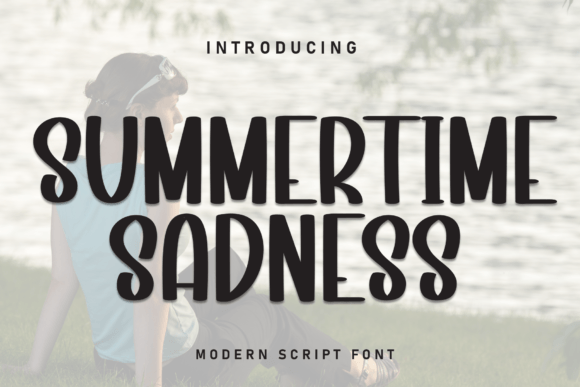
In the world of modern typography, the "handwritten" label can sometimes be a warning sign of illegibility or kitsch. However, high-quality handwritten fonts strike a delicate balance. They mimic the natural flow of ink on paper without sacrificing the clarity needed for professional use. The Summertime Sadness Font exemplifies this balance. It features the irregular, organic curves of natural handwriting, which immediately breaks down the barrier between the brand and the consumer. Unlike rigid digital text, this display font suggests that a real person crafted the message. This visual warmth is crucial for brand identity, as it helps foster trust and relatability. It’s cute and fun, yes, but it’s also a strategic tool for softening a message and making a product or service feel more accessible.
Where Personality Meets Practicality: Real-World Applications
One of the most common questions designers face is how to apply a creative font across different mediums without losing consistency. The versatility of a font like Summertime Sadness is what makes it a valuable addition to your design assets. Because it sits comfortably between casual and stylish, it adapts to a wide variety of contexts.
For small business owners and entrepreneurs, the applications are endless. Consider packaging design; a handwritten typeface can turn a generic box into a personalized gift. If you are selling homemade goods, cosmetics, or artisanal foods, this font style instantly communicates the "handmade" quality of your product. It’s also a powerhouse for social media graphics. In a feed dominated by robotic corporate speak and stock imagery, a post captioned or headed with a friendly script font can stop the scroll. It feels like a message from a friend rather than an ad, which significantly boosts audience engagement.
Furthermore, this style of typography shines in print materials. Think about editorial design for a lifestyle magazine or a blog header. Using a script font or a handwritten style for pull quotes or subheadings adds a layer of editorial flair that standard serif fonts cannot achieve. It guides the reader’s eye and emphasizes key emotional beats in the text.
Building a Visual Language for Wedding Invitations and Events
While the font works for commercial branding, its roots in stationery design make it a standout choice for personal projects. Wedding invitations are the most obvious use case. The "Cute and fun" nature of the typeface lends itself perfectly to save-the-dates, thank you cards, and menu signage. It sets a tone of celebration and intimacy before the guests even arrive.
However, don't limit this to weddings. Event planners and content creators can use this font for baby showers, milestone birthdays, or seasonal campaigns. The visual consistency provided by using a single, cohesive typeface across all event collateral—from the digital invite to the physical place cards—creates a seamless, high-end experience. It shows attention to detail, which is a hallmark of professional presentation.
Strategic Typography: Pairing and Professional Polish
Adopting a premium font like Summertime Sadness requires a bit of strategy to ensure it enhances rather than overwhelms your design. The key to successful font pairing is contrast. Because this is a display font with high personality, it should rarely be used for body text. Long paragraphs in a handwritten font can cause eye strain and reduce readability.
Instead, use it for headlines, logos, or call-to-action phrases. Pair it with a clean, neutral sans serif font or a simple serif font for the body copy. For example, if you are designing a website, use Summertime Sadness for the main hero headline to grab attention, then switch to a legible sans-serif for the product descriptions. This contrast allows the handwritten element to pop while maintaining a clean, readable layout.
When working on logo design, consider the medium. Will the logo be embroidered on merchandise? Will it be printed very small on a business card? Handwritten fonts can sometimes lose detail at very small sizes. Always test your typography at the specific scale it will be used. If the loops and swirls of the font merge together when small, you may need to increase the tracking (letter spacing) or use the font only for larger brand elements.
Navigating Licensing and Font Files
For marketers, bloggers, and creative entrepreneurs, the legal side of typography is just as important as the visual side. When you acquire a font, you are usually acquiring a license to use it, not the font itself. It is vital to understand the difference between personal use and commercial licensing.
If you are using the Summertime Sadness Font for a client’s brand identity or for digital products you intend to sell, you must ensure you have the appropriate commercial license. This protects you and your client from copyright infringement issues down the road.
Additionally, check the file formats included in your download. For web design, you typically need WOFF or WOFF2 files to ensure the font loads correctly across all browsers. For desktop design software like Adobe Illustrator or Canva, OTF or TTF files are standard. Reviewing the included font styles—such as bold or italic variations—is also important. While some handwritten fonts come with a full family of weights, others are single-weight typefaces. Knowing this upfront helps you plan your design hierarchy effectively.
Final Thoughts on Elevating Your Visuals
Typography is the voice of your design. Choosing a font like Summertime Sadness is a decision to speak in a voice that is approachable, joyful, and human. Whether you are refreshing your brand identity, designing a line of merchandise, or simply creating a more engaging social media presence, this handwritten style offers a distinct advantage. It bridges the gap between digital perfection and human imperfection, making your work feel lived-in and loved. By pairing it wisely and utilizing it for the right touchpoints, you can transform a standard project into something that truly resonates with your audience.