Little Farmhouse Font: A Sweet, Handwritten Typeface for Creative Projects
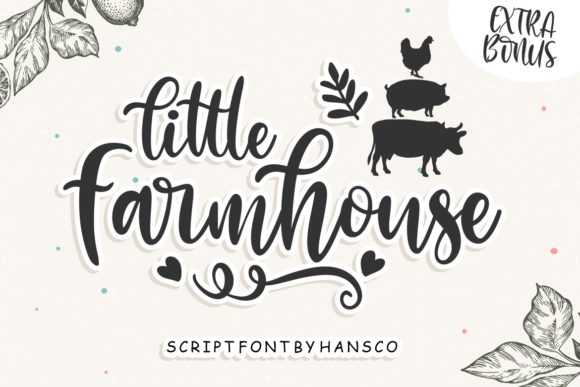
There's something undeniably charming about a handwritten font that feels like it was penned with care, each letter flowing into the next with warmth and personality. Little Farmhouse Font captures exactly that feeling—a delicate, joyful script that brings a romantic, personal touch to any design. Whether you're crafting wedding invitations, building a brand identity, or creating social media graphics that feel approachable and genuine, this typeface offers a versatility that's hard to find in more rigid, geometric fonts.
What Makes This Handwritten Font Stand Out
Little Farmhouse isn't just another script font sitting in your design toolkit. It's a sweet and delicate handwritten typeface with dainty letterforms that feel both modern and timeless. The strokes are soft without being weak, playful without losing elegance. Each character carries a subtle organic quality—the kind you'd expect from actual pen on paper rather than pixels on a screen.
What sets it apart from many other handwritten fonts is its balance. Some script typefaces lean too far into casual territory, making them difficult to read at smaller sizes or in professional contexts. Others try so hard to look polished that they lose the warmth that makes handwritten fonts appealing in the first place. Little Farmhouse sits comfortably in the middle, offering enough structure for readability while preserving the spontaneous, human quality that draws people to hand-lettered designs.
Another practical advantage is that this font is PUA encoded, which means every glyph, swash, and alternate character is fully accessible. For designers who love adding flourishes, ligatures, and stylistic variations to their work, this is a significant benefit. You won't need special software or workarounds to unlock the full character set—everything is ready to use right out of the box.
Creative Applications That Actually Work
The beauty of a font like Little Farmhouse lies in its adaptability across different project types. Here's where it tends to shine brightest:
Wedding and Event Invitations: This is probably the most natural fit. The romantic, hand-lettered quality of the font makes it ideal for save-the-dates, RSVP cards, ceremony programs, and reception signage. It pairs beautifully with clean serif fonts for body text, creating an elegant contrast between formal and personal.
Branding and Logo Design: Small businesses in lifestyle, wellness, food, and boutique retail spaces often benefit from typography that feels approachable rather than corporate. A handwritten font like Little Farmhouse can communicate authenticity and care—qualities that resonate with customers who value personal connection over polished perfection. Think bakeries, florists, handmade jewelry brands, or independent coffee shops.
Packaging Design: Product labels, box designs, and tags for artisan goods benefit enormously from typefaces that suggest craftsmanship. Little Farmhouse works particularly well for product names or taglines on packaging, especially when paired with a simple sans serif font for ingredient lists or regulatory information.
Social Media Graphics: Instagram quotes, Pinterest pins, story templates, and promotional posts often need a font that feels warm and eye-catching without being overwhelming. The delicate strokes of this typeface make it effective for headlines and short phrases where you want personality to come through immediately.
Website and Blog Design: While you wouldn't set an entire blog post in a script font, using Little Farmhouse for section headers, pull quotes, or hero text on a landing page can add visual interest and reinforce brand personality. It works especially well for lifestyle blogs, recipe sites, and creative portfolios.
Print Materials and Merchandise: From greeting cards and art prints to tote bags and mugs, this font translates well across physical products. Its legibility at various sizes makes it practical for merchandise where text needs to be both decorative and readable.
Editorial and Digital Products: E-books, planners, worksheets, and digital downloads often benefit from a mix of font styles. Using Little Farmhouse for chapter titles or section dividers can make digital products feel more polished and intentional.
Pairing Typography for Maximum Impact
One of the most common questions designers ask about any display font is: what do I pair it with? The answer depends on the project, but there are some reliable approaches worth considering.
Because Little Farmhouse is a handwritten script with a lot of visual personality, it works best when paired with something simpler and more structured. A clean sans serif font like Montserrat, Lato, or Open Sans provides a calm, readable counterbalance. The contrast between the organic script and the geometric sans serif creates visual hierarchy without competing for attention.
For projects that lean more traditional or editorial, pairing it with a classic serif typeface like Playfair Display, Lora, or Georgia can create a sophisticated, layered look. This combination works well for wedding stationery, magazine layouts, and upscale branding.
The key principle is restraint. Use Little Farmhouse sparingly—typically for headlines, names, or short accent phrases—and let a more neutral font handle longer passages of text. This approach ensures readability while letting the handwritten font do what it does best: add character and warmth where it matters most.
Practical Tips for Getting the Most Out of Your Font
Before committing to any premium font for a project, it's worth spending a few minutes testing how it behaves in real-world conditions. Here are some practical considerations:
- Check the full character set. Since Little Farmhouse is PUA encoded, take time to explore all available glyphs and swashes. You might discover alternate letterforms or decorative elements that perfectly suit your design.
- Test at multiple sizes. Handwritten fonts can behave differently depending on scale. What looks beautiful at 48pt might become illegible at 12pt. Make sure the font works at the sizes you'll actually use.
- Consider your color palette. Delicate fonts like this one tend to look best in darker, softer tones rather than harsh black or bright neon. Deep navy, forest green, dusty rose, or warm gray can enhance the hand-lettered aesthetic.
- Review commercial licensing. If you're using the font for client work, merchandise, or products you plan to sell, confirm that your license covers commercial use. Most premium fonts include this, but it's always worth verifying before launch.
- Print a test proof. For physical projects like invitations or packaging, print a sample before committing to a full run. Screen rendering and print output can look noticeably different, especially with thin script fonts.
Building a Consistent Brand Identity
Typography plays a larger role in brand recognition than many people realize. The fonts you choose become part of your visual identity—repeated across your website, social media, packaging, and marketing materials, they create a cohesive impression that customers begin to associate with your business.
A handwritten font like Little Farmhouse can serve as a signature element in your brand's typographic system. Used consistently for specific purposes—say, your logo, product names, or social media headers—it becomes instantly recognizable. Over time, your audience starts to connect that particular style of lettering with your brand, even before reading the words themselves.
This kind of visual consistency builds trust. When every touchpoint feels intentional and aligned, it signals professionalism and attention to detail. Customers may not consciously analyze your font choices, but they'll notice when something feels off. A cohesive typographic strategy prevents that disconnect.
For entrepreneurs and small business owners who wear many hats, investing in a well-designed creative font is one of the simpler ways to elevate your visual presentation without hiring a full design team. The right typeface does a lot of heavy lifting, communicating tone, personality, and quality before a single word is read.
Final Thoughts on Choosing the Right Typeface
Font selection is ultimately about communication. Every typeface carries a mood, a set of associations, and a level of formality that shapes how your message is received. Little Farmhouse Font communicates warmth, care, and a personal touch—qualities that resonate in a world where so much feels automated and impersonal.
Whether you're a designer building out a client's brand identity, a crafter creating custom invitations for a friend's wedding, or a small business owner looking for typography that reflects the heart you put into your work, this handwritten font offers a practical and visually appealing option. Take the time to explore its character set, test it across your projects, and pair it thoughtfully with complementary typefaces. The result will be designs that feel both polished and genuinely human.