Tangible Font: The Friendly Sans Serif for Every Design
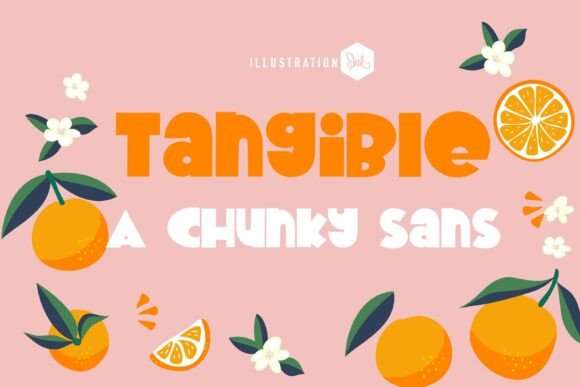
Ever notice how the best designs feel approachable, even when they're polished? That warmth often comes down to the typography. It's the silent ambassador of your brand, the first visual handshake with your audience. Finding a font that's both professional and personable can feel like searching for a unicorn. Then you encounter a typeface like Tangible, and the search ends. It's a sweet and friendly sans font that manages to be modern without being cold, and distinctive without being distracting. Its natural, unique style feels instantly familiar, making it a versatile tool for a huge range of creative work. The only limit is your imagination.
A Typeface with Personality: More Than Just Letters
What exactly makes a font feel "friendly"? It's in the subtle curves, the slightly rounded terminals, the balanced spacing that gives each character room to breathe. Tangible avoids the sharp, geometric edges of some modern sans serifs, opting instead for a softer, more organic shape. This gentle personality makes it incredibly approachable. It doesn't shout for attention; it invites the reader in. Think of it as the friendly neighbor of the font world—reliable, easy to get along with, and always makes things feel a bit more welcoming. This quality makes it a standout choice for projects where you want to build trust and connection.
From Screen to Shelf: Real-World Applications
The true test of a great typeface is its versatility. Tangible shines across both digital and print landscapes, adapting its friendly demeanor to fit the context. Its clarity and charm make it a workhorse for numerous applications:
- Branding & Logo Design: For a brand that wants to feel accessible and genuine, Tangible is a prime candidate. It works beautifully for logos, wordmarks, and brand collateral, especially for lifestyle brands, boutique shops, cafes, and creative services.
- Packaging Design: On a shelf crowded with loud graphics, packaging set in Tangible can stand out through its clean, honest appeal. It's perfect for artisan products, cosmetics, health foods, or children's items where clarity and approachability are key.
- Web & Blog Design: As a web font, Tangible excels in readability for body text and adds a touch of personality to headings. It helps create a cohesive and inviting reading experience, encouraging visitors to stay longer.
- Social Media Graphics: In the fast-scroll of social feeds, legible and engaging text is crucial. Tangible's clear shapes ensure your message is understood instantly, whether it's an Instagram quote, a Facebook ad, or a Pinterest pin.
- Print & Editorial Layouts: From business cards and brochures to magazine headlines and invitations, Tangible brings a modern yet warm feel. It pairs surprisingly well with both serif and script fonts for dynamic typographic hierarchies.
- Digital Products & Marketing Assets: Use it in e-books, online course materials, or email newsletters to maintain a professional yet friendly tone that reinforces your brand identity across every touchpoint.
Building a Cohesive Visual Language
Using a consistent typeface like Tangible across your projects does more than just look good—it builds recognition. When customers see the same friendly, reliable lettering on your website, your product tags, and your Instagram stories, it starts to feel like an integral part of who you are. This visual consistency is a cornerstone of strong brand identity. It signals professionalism and attention to detail, which in turn builds trust. Tangible's inherent readability also plays a huge role here. Clear typography reduces cognitive load for your audience, allowing them to focus on your message rather than struggling to decipher the text. This directly improves engagement, whether someone is reading a blog post, scanning a menu, or following instructions on a package.
Putting Tangible to Work: Practical Tips
Ready to integrate this friendly sans serif into your toolkit? Here’s how to get the most out of it:
- Explore the Included Styles: A premium font like Tangible often comes with multiple weights and styles (like Light, Regular, Medium, Bold, and sometimes italics). Use these to create hierarchy and emphasis in your designs without needing to switch fonts.
- Master Font Pairing: Tangible's neutral friendliness makes it a fantastic partner. For a classic, trustworthy look, pair it with a traditional serif font like Garamond or Merriweather. For a more dynamic, contemporary feel, try it with a complementary script or handwritten font for accents.
- Prioritize Readability: Always test your text at the actual size it will be viewed. For body text on screens, ensure the line height (leading) is comfortable—typically 1.4 to 1.6 times the font size. Check that text remains clear against its background color.
- Align with Project Goals: Ask yourself: Does this font's personality match the project's voice? Tangible is ideal for brands that want to feel approachable, modern, and honest. It might be less suited for ultra-luxury or highly formal, traditional contexts where a different display font or serif would be more appropriate.
- Understand Commercial Licensing: If you're using Tangible for client work, merchandise for sale, or a business logo, ensure you have the correct commercial license. Most premium fonts require a specific license for these uses, so always review the terms provided by the foundry or distributor.
Ultimately, choosing a typeface is a creative decision with practical consequences. Tangible offers a unique blend of visual appeal and functional clarity. It's a design asset that doesn't just decorate—it communicates. By bringing a sense of warmth and reliability to your typography, it helps your projects not only look better but also connect more effectively with the people you're trying to reach. In a world of digital noise, that friendly, tangible connection might be exactly what your design needs.