Amour Magnifique Font: A Playful Handwritten Style for Creative Projects
There's a particular charm in typography that feels personal—like a note scribbled by a friend or a message left on a kitchen counter. That warmth is exactly what Amour Magnifique Font brings to the table. This fun, cute handwritten sans serif typeface walks the line between casual and polished, offering designers, creators, and business owners a versatile tool that doesn't take itself too seriously while still delivering professional results.
What makes a font memorable? It's not just about looking pretty on screen. The best typefaces carry personality, evoke emotion, and serve a clear purpose. Amour Magnifique does all three with an effortless grace that makes it easy to work across different contexts—from a boutique bakery's logo to a wedding invitation suite to a series of Instagram stories promoting a weekend sale.
Understanding the Visual Personality of This Handwritten Typeface
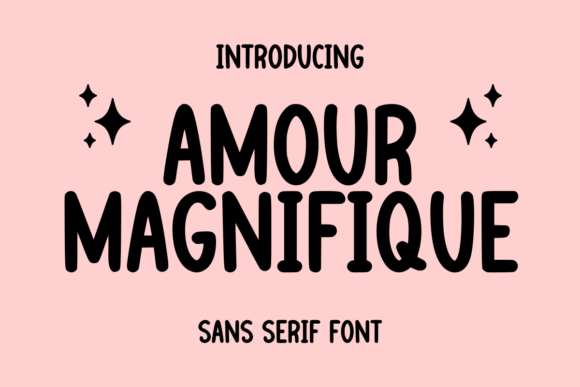
At its core, Amour Magnifique is a handwritten font built on sans serif foundations. That means you get the organic, human touch of hand-lettered script without the visual heaviness or readability issues that sometimes come with traditional script fonts. The letterforms are rounded, slightly playful, and carry a natural rhythm that mimics actual handwriting—not the stiff, mechanical kind you'd find in a default word processor, but the kind that feels like someone actually sat down and wrote it with care.
The spacing is generous enough to keep text legible at smaller sizes, which matters more than people realize. A font that looks gorgeous at 72 points on a poster but falls apart at 14 points on a website is a font you'll constantly fight with. Amour Magnifique handles both ends of the spectrum reasonably well, making it a practical choice for projects that live across multiple formats and screen sizes.
One thing worth noting: this typeface leans feminine in its energy, but not exclusively so. It works beautifully for brands and projects targeting women, families, lifestyle audiences, and anyone who appreciates a softer aesthetic. Think handmade goods, wellness brands, children's products, floral businesses, and creative agencies that want to signal approachability over corporate stiffness.
Where This Font Actually Works in Real Projects
Let's talk specifics, because vague promises about fonts being "perfect for everything" don't help anyone make a decision.
Logo design is one of the strongest use cases. If you're building a brand identity for a small business—say a cupcake shop, a photography studio, or a boutique clothing line—Amour Magnifique gives you a wordmark that feels custom without the custom price tag. Pair it with a simple geometric sans serif for body text, and you've got a visual system that works.
Packaging design is another natural fit. Product labels, box designs, hang tags, and tissue paper prints all benefit from a typeface that feels handcrafted. When customers pick up a product and the typography communicates care and personality, that's a competitive advantage that pure functionality can't match.
For social media graphics, the font shines in quote posts, story templates, sale announcements, and header text. Instagram, Pinterest, and TikTok are visual platforms where standing out matters, and a distinctive display font like this one helps content feel cohesive across a feed. If you're a content creator who publishes regularly, having a signature font becomes part of your visual brand—something followers recognize instantly as they scroll.
Invitations and greeting cards are almost too obvious to mention, but it's worth saying anyway. Wedding invitations, baby shower cards, birthday party invites, holiday greetings—Amour Magnifique was practically designed for these moments. Its warmth and personality make recipients feel like the card was made specifically for them, even if you used a template.
Website headers and blog titles benefit from the font's readability at medium to large sizes. Using it for headings while pairing it with a clean body font creates visual hierarchy that guides readers through your content. This approach is common in web design for lifestyle blogs, creative portfolios, and e-commerce sites that want to feel welcoming rather than sterile.
Other applications worth considering include poster design, merchandise like tote bags and mugs, digital products such as planners and worksheets, marketing assets like email headers and banner ads, and editorial layouts for magazines or lookbooks targeting a creative audience.
Practical Tips for Getting the Most Out of Your Font Choice
Choosing a premium font is only half the work. How you use it determines whether your project looks polished or chaotic. Here are some grounded recommendations.
Test your font pairings before committing. Amour Magnifique works best alongside something neutral and structured—a geometric sans serif like Montserrat or a simple serif font like Lora. Avoid pairing it with another decorative typeface, because two competing personalities create visual noise rather than harmony. Open your design tool, mock up a few combinations, and look at them with fresh eyes the next day.
Consider your audience's expectations. If you're designing for a law firm or a financial advisor, a cute handwritten font sends the wrong message no matter how attractive it is. Typography is communication, and the wrong tone can undermine credibility. Save Amour Magnifique for projects where warmth, creativity, and approachability are assets rather than liabilities.
Pay attention to readability at every size. Test your text at the actual size people will see it. A headline on a printed poster reads differently than a caption on a phone screen. If you're using the font for longer passages, make sure the letter spacing and line height feel comfortable after a few sentences, not just the first one.
Review what's included in the font package. Most quality font families come with multiple weights, alternates, ligatures, or stylistic sets that give you more flexibility. Before you start designing, open the character map and see what's available. You might discover a swash or alternate letterform that elevates your layout from good to genuinely distinctive.
Understand the licensing terms. This matters more than most people think. If you're using the font for a client project, merchandise you sell, or a product you distribute, you need to confirm the license covers commercial use. Using a commercial font without proper licensing creates legal risk that no design is worth. Read the terms, keep your receipts, and make sure you're covered for every way you plan to use the typeface.
Building Visual Consistency Across Your Brand
One of the most overlooked benefits of committing to a specific typeface is the consistency it creates. When your Instagram graphics, website, printed materials, and email newsletters all use the same brand identity typography, people start recognizing your content before they even read the words. That recognition compounds over time—it's how small brands build loyalty without massive advertising budgets.
Amour Magnifique works particularly well as a display font within a broader typographic system. Use it for headlines, product names, call-to-action buttons, and featured quotes. Then use a complementary body font for paragraphs, descriptions, and longer content. This two-font approach keeps your designs organized and ensures that the handwritten personality doesn't overwhelm the information you're trying to communicate.
For small business owners and entrepreneurs, this kind of modern typography discipline separates amateur-looking brands from professional ones. It doesn't require a design degree—it requires intentionality. Pick your fonts deliberately, use them consistently, and resist the urge to introduce something new every time you create a piece of content.
Final Thoughts on Making This Font Your Own
Every designer and creator develops preferences over time—typefaces that feel right for the kind of work they do. Amour Magnifique Font earns its place in a creative toolkit not because it's trendy, but because it solves real problems. It adds personality to flat layouts, warmth to digital interfaces, and a handmade quality to printed materials that digital tools often strip away.
The best way to know if it works for you is to use it. Download it, open your current project, and swap it in where you've been using something generic. See how it changes the feel of the piece. Test it in a few different contexts—a social post, a product label, a blog header—and pay attention to how your audience responds. Fonts are tools, and the right tool makes the work feel less like work and more like creation.