Darthian Font: The Modern Handwritten Typeface for Creative Projects
There's a particular kind of magic that happens when a design feels human. You've seen it before—that wedding invitation where the lettering seems to dance across the paper, or the coffee shop logo that radiates warmth before you even read the words. That warmth and personality often come down to one critical choice: the typeface. For designers, entrepreneurs, and creatives seeking that organic, personal touch without sacrificing polish, the Darthian Font offers a compelling solution that bridges the gap between casual authenticity and professional refinement.
Understanding the Visual Character of Darthian
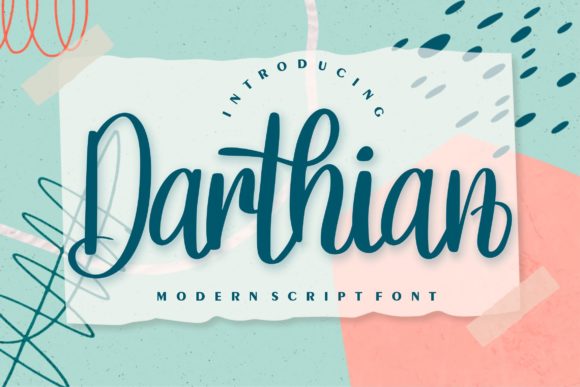
Darthian is a modern handwritten font, but calling it simply "handwritten" doesn't quite capture its full personality. It carries a natural, flowing rhythm that mimics the strokes of a skilled hand moving confidently across paper. The letterforms aren't rigid or overly uniform—there's just enough variation to feel genuinely crafted, yet consistent enough to maintain readability across different sizes and applications.
What sets this typeface apart from the sea of script fonts available today is its balance. Many handwritten fonts lean too far in one direction: either too casual and messy for professional use, or so polished they lose the warmth that makes hand-lettering appealing in the first place. Darthian occupies that sweet spot. The characters connect fluidly, the spacing feels intentional, and the overall aesthetic reads as both approachable and elevated.
For anyone working in modern typography, understanding these subtle qualities matters. A font isn't just decorative—it communicates tone, values, and personality before a single word is consciously processed by the reader.
Where Darthian Truly Shines: Real-World Applications
The practical versatility of a creative font like Darthian is where its value becomes tangible. Let's walk through specific scenarios where this typeface earns its place in a designer's toolkit.
Branding and Logo Design
Small businesses, particularly those in lifestyle, beauty, food, and artisan spaces, often struggle to find typography that feels personal without looking amateur. Darthian works beautifully for logos and brand marks where the goal is to convey craftsmanship and care. Think of a boutique candle company, a freelance photographer's watermark, or a handmade jewelry brand. The font's organic flow signals authenticity—a quality that resonates deeply with consumers who value transparency and human connection in the brands they support.
Wedding Invitations and Event Stationery
This is perhaps the most natural home for a font like Darthian. Wedding invitations, save-the-dates, rehearsal dinner cards, and thank-you notes all benefit from typography that feels intimate and celebratory. The font's elegant yet relaxed character pairs well with both minimalist layouts and more ornate, decorative designs. Stationery designers will find it adapts to various wedding aesthetics—from rustic barn celebrations to sleek modern ceremonies.
Social Media Graphics and Digital Content
Content creators and social media managers constantly need fresh, eye-catching typography for Instagram posts, Pinterest pins, YouTube thumbnails, and TikTok overlays. Darthian's handwritten quality cuts through the visual noise of crowded feeds. It feels personal and real in a way that generic sans serif fonts simply cannot. Quotes, announcements, sale promotions, and story highlights all benefit from that hand-lettered look, especially when consistency across multiple posts helps build a recognizable visual identity.
Packaging Design and Product Labels
For entrepreneurs developing physical products, packaging is a silent salesperson. A premium font with handwritten qualities like Darthian can transform a simple label into something that feels artisanal and thoughtful. Food products, skincare lines, craft beverages, and subscription box branding all benefit from typography that suggests a human touch behind the product.
Website Headers and Blog Graphics
Web designers and bloggers can use Darthian strategically—not for body text, but for headers, pull quotes, section titles, and featured image overlays. When paired with a clean sans serif font for paragraphs, a script font like Darthian adds visual hierarchy and personality without compromising readability. This font pairing approach is a cornerstone of effective web design, creating contrast that guides the reader's eye naturally through the content.
Print Materials and Editorial Layouts
Magazine spreads, lookbook layouts, restaurant menus, and promotional flyers all benefit from a typeface that commands attention without shouting. Darthian's flowing strokes work particularly well for headlines and callout text in editorial design, where the goal is to create visual interest and draw readers into the story.
Practical Guidance for Working with Handwritten Fonts
Choosing the right font style for a project involves more than aesthetic preference. Here are some grounded recommendations for getting the most out of Darthian—or any handwritten typeface—in your designs.
Prioritize Readability in Context
Handwritten fonts are display fonts by nature. They're designed for short bursts of text—headlines, titles, logos, and accents—not for long paragraphs. Use Darthian where it will be seen at sizes large enough for its character to register clearly. If you need to set body copy, pair it with a legible serif font or sans serif font that complements its personality without competing for attention.
Test Font Pairings Before Committing
A font pairing that looks beautiful in a mockup might fall apart in practice. Print a test page. View it on different screens. Ask someone unfamiliar with the project to read it. Darthian tends to pair well with geometric sans serifs for a modern contrast, or with classic serif typefaces for a more romantic, editorial feel. Experimentation is non-negotiable—what works for a wedding invitation won't necessarily work for a tech startup's marketing materials.
Consider Your Brand Identity Holistically
A typeface is one element within a larger brand identity system. Before selecting Darthian for a logo or brand materials, consider how it interacts with your color palette, imagery style, and overall tone. A handwritten font communicates warmth, creativity, and approachability. If your brand identity leans toward corporate authority or technical precision, a script font might send mixed signals. Alignment between typography and brand values is what creates visual consistency and strengthens brand recognition over time.
Review the Included Font Styles
Many premium fonts come with multiple weights, alternates, or stylistic variations. Before starting a project, explore everything the typeface offers. Darthian may include ligatures, swashes, or alternate letterforms that can add variety and flair to your designs. Understanding the full range of a font's capabilities prevents you from overlooking features that could elevate your work.
Understand Commercial Licensing
For designers creating work for clients, freelancers selling digital products, or entrepreneurs developing merchandise, licensing matters. Always verify that your license covers commercial use—this includes items for sale, client deliverables, and business branding. Using a font without proper licensing can create legal complications down the road, so treat this step as essential rather than optional.
Making Typography Work Harder for Your Projects
The difference between good design and great design often comes down to intentional typography choices. A font like Darthian isn't just a decorative element—it's a communication tool that shapes how your audience perceives your message. When used thoughtfully, it improves professional presentation, increases audience engagement, and contributes to the kind of visual consistency that builds lasting brand recognition.
The key is restraint and intentionality. Use Darthian where its strengths align with your goals. Pair it wisely. Test it in real-world conditions. And always let the content and context guide your typographic decisions rather than chasing trends. When the right handwritten font meets the right project, the result is design that feels both beautiful and genuinely human—exactly the kind of work that stands out in a crowded visual landscape.