Why Chimon Font Duo Feels Like It Was Made by Hand
There’s a specific kind of energy in designs that feel hand-touched. You see it in the slightly uneven edge of a brushstroke, the natural ink bleed on textured paper, the imperfect charm that digital tools often smooth away. For designers and creators chasing that authentic, human quality, the Chimon Font Duo offers a compelling solution. It’s not just another typeface; it’s a toolkit built from actual brush and ink, designed to inject warmth and personality into projects that need to feel personal and approachable.
A Typeface with a Tangible, Artistic Soul
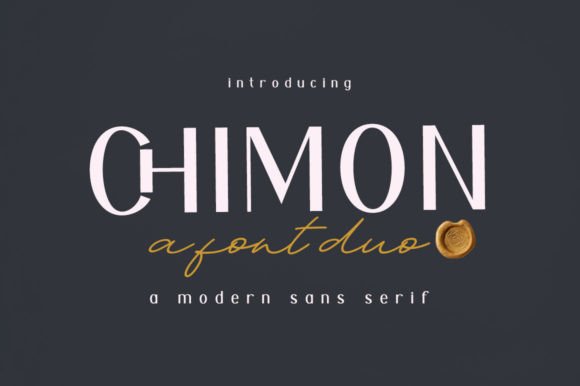
What sets Chimon apart in a sea of digital fonts is its origin. Each glyph was crafted with real brushes and ink, capturing the organic flow and subtle imperfections of handmade lettering. This gives it a distinct, textured presence that feels alive. The "Duo" in its name is key—it typically pairs a bold, expressive brush script font with a complementary serif font or sans serif font. This pairing is strategic. The script brings the energy and flair, while the companion font provides structure and readability, especially for longer text. It’s a modern take on classic typography dynamics, offering the best of both worlds for brand identity and editorial design.
Where This Handcrafted Font Truly Shines
Think beyond the obvious. While Chimon is a natural fit for wedding invitations and greeting cards, its applications are far broader. Its bold, textured style makes it a powerful display font for headlines that need to command attention without feeling cold or corporate.
- Branding & Logo Design: For artisan bakeries, boutique coffee shops, craft breweries, or lifestyle brands, Chimon can form the core of a logo design that communicates handcrafted quality. Pair the script with the serif for a complete wordmark that’s both stylish and functional.
- Packaging & Merchandise: On product labels, packaging design, or T-shirt graphics, the font adds instant character. It helps products stand out on shelves by suggesting they were made with care.
- Digital Presence: Use it for hero sections on websites, blog titles, or social media graphics to create a consistent and engaging visual voice. It’s particularly effective for Instagram quotes, YouTube thumbnails, and Pinterest pins where stopping the scroll is critical.
- Print & Editorial: From poster headlines to book covers and magazine pull quotes, Chimon adds a layer of artistic flair to editorial layouts and marketing assets like flyers and brochures.
The key is matching the font’s personality to your project’s goal. It’s not for a law firm’s annual report, but it’s perfect for a yoga studio’s new workshop poster or a food blogger’s recipe eBook.
Making It Work: Practical Tips for Your Projects
Adopting a premium font like Chimon requires a bit of strategy to ensure it enhances rather than overwhelms your design. Here’s how to get the most out of it.
Master the Pairing. The included companion font is there for a reason. Use the bold script for short, impactful statements—headlines, logos, call-to-action phrases. Switch to the cleaner serif or sans serif for body copy, descriptions, or any text where readability over multiple lines is essential. This contrast creates visual hierarchy and keeps your design balanced.
Respect Readability. While its hand-drawn style is charming, ensure your text is still legible at the intended size. Test it at the scale it will be viewed. For small text on a business card or website paragraph, the companion font is your workhorse. The script is best kept for larger sizes where its details can be fully appreciated.
Consider the Commercial License. Before using Chimon for client work or merchandise you intend to sell, verify the license terms. Most commercial fonts require a specific license for commercial use. This is a standard and important step in professional design practice to avoid legal issues down the line.
Test Extensively. Don’t just drop it into a mockup and call it done. Print a sample. View it on different screens. See how it looks in context with your other design elements—colors, images, and layouts. Does it support your message or distract from it? This testing phase is crucial for achieving a professional presentation.
Beyond the Aesthetic: The Strategic Value of Cohesive Typography
Choosing a typeface like Chimon isn’t just an aesthetic decision; it’s a branding one. Consistent use of a distinctive font family across all touchpoints—from your website to your Instagram stories to your physical packaging—builds brand recognition. When customers see that characteristic brush stroke, they begin to associate it with your unique style and values. This visual consistency makes your brand more memorable and helps foster a stronger connection with your audience, ultimately boosting audience engagement.
In a digital landscape saturated with clean, geometric sans serifs, a thoughtfully chosen handwritten font or brush script can be a differentiator. It signals that there’s a human behind the brand, one who values craft and authenticity. Whether you’re a small business owner building your first identity, a content creator looking to elevate your visual game, or a designer sourcing reliable design assets, understanding how to leverage a font like Chimon gives you a powerful tool for visual communication. It’s about choosing typography that doesn’t just look good, but feels right and works hard for your specific goals.