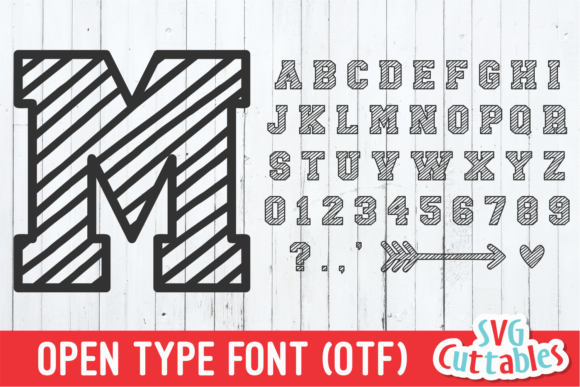
JP Scribble Font: A Bold Slab Serif for Impactful Designs
There’s a moment in every design project when you realize the typeface you’ve chosen isn’t just holding words—it’s shaping the entire personality of your work. That’s exactly the feeling you get with a font like JP Scribble. It’s not just a collection of letters; it’s a statement. This bold, assertive slab serif has a character that’s both confident and approachable, making it a surprisingly versatile tool in your design arsenal. Whether you’re finalizing a logo for a new coffee brand, creating social media graphics for a boutique, or designing a wedding invitation, the right font does more than just look good. It communicates tone, builds trust, and grabs attention in a crowded visual landscape.
Understanding the Visual Personality of This Typeface
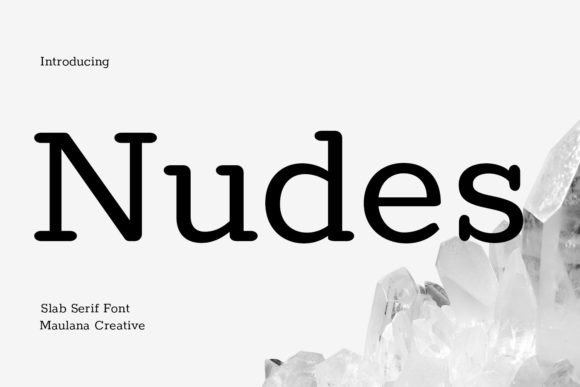
At its core, JP Scribble Font is a slab serif. This means it features thick, block-like serifs—the small lines at the ends of letter strokes. This design choice gives it a sturdy, grounded presence that feels both traditional and modern. But what sets it apart is its “scribble” quality. The strokes have a slightly uneven, hand-drawn texture that softens the rigidity often associated with slab serifs. It’s this blend of structure and personality that makes it so effective. It doesn’t feel cold or corporate; instead, it carries a human touch that can make a brand feel more relatable or a design more inviting. Think of it as the typographic equivalent of a firm handshake—confident and memorable.
This premium font often comes with multiple styles, which is crucial for creating visual consistency across a project. You might find a regular weight for body text, a bold version for headlines, and perhaps even an italic or alternate character set. Reviewing these included styles before you start is a practical first step. It allows you to plan a typographic hierarchy that guides the reader’s eye smoothly from a headline to a subheading to the main text, all while maintaining a cohesive look.
From Brand Identity to Packaging: Where This Font Shines
The real test of any creative font is how it performs in the wild. Let’s break down some common applications where a typeface with this much personality can make a tangible difference.
Branding and Logo Design: Your logo is the cornerstone of your brand identity. A font like JP Scribble can be perfect for brands that want to project strength, reliability, and a touch of creativity. Imagine it for a craft brewery, an artisanal bakery, a rugged outdoor apparel line, or a children’s educational app. The bold weight commands attention in a logo mark, while the slightly playful texture prevents it from feeling too severe. It pairs beautifully with a clean sans serif font for body copy or a flowing script font for accent text, creating a dynamic and balanced visual system.
Packaging and Print Materials: On a shelf or in a customer’s hands, packaging needs to communicate quickly. The high legibility and strong presence of this display font make it ideal for product names, key features, and calls to action on labels, boxes, and bags. Its assertive nature helps your product stand out in a competitive retail environment. The same principle applies to print materials like posters, flyers, and brochures. It can create a powerful headline that draws people in from a distance.
Digital Presence and Marketing Assets: In the fast-scrolling world of social media, you have seconds to make an impact. Using JP Scribble for text overlays on Instagram posts, Pinterest graphics, or YouTube thumbnails can stop the scroll. Its boldness ensures readability even at smaller sizes on mobile screens. For web design, it’s a fantastic choice for hero section headlines, button text, or featured quotes. It adds a layer of visual interest that can enhance user engagement and make your site feel more polished and professional. Similarly, in editorial design for blogs or digital magazines, it can be used for pull quotes and section headers to break up text and add visual rhythm.
Practical Advice for Using a Bold Slab Serif
Choosing a font is just the first step. Using it effectively is where the real design skill comes in. Here are some practical considerations to keep in mind.
Context is Everything: Always match the font’s personality to your project’s goal. While JP Scribble is versatile, its bold, assertive nature might not be the best fit for a luxury spa brand aiming for a delicate, serene vibe. It’s better suited for projects that call for energy, confidence, or a friendly, approachable authority. Test it in context. Mock up a design and see if the tone aligns with the message you want to send.
Mastering Font Pairing: A common mistake is using a strong display font for everything. The key to professional modern typography is pairing. Use JP Scribble for your headlines and subheadings where impact is needed. Then, balance it with a highly readable sans serif font or even a classic serif font for longer paragraphs of body text. This creates contrast, improves readability, and gives the viewer’s eyes a natural place to rest. Experiment with different combinations to see what feels harmonious.
Readability Considerations: Because of its textured, “scribble” style, test the font at the exact size you plan to use it, especially for smaller applications like button text or captions. While it’s designed for clarity, the hand-drawn effect can become less distinct at very small sizes. Ensure there’s enough contrast between the text color and the background. For body text, always prioritize a font that is optimized for long-form reading.
Licensing for Commercial Projects: If you’re using this font for a client project, a business logo, or merchandise you plan to sell, you must verify the licensing. Most premium fonts require a commercial license. This is a legal necessity that supports the font designers who create these design assets. Always check the license agreement before finalizing a project. Using a font correctly and legally is a mark of a professional.
Final Thoughts on a Versatile Design Tool
Ultimately, a font like JP Scribble is more than just a set of glyphs. It’s a tool for communication. Its strength lies in its ability to blend a strong, reliable structure with a touch of handmade warmth. This duality allows it to adapt to a wide range of creative scenarios, from establishing a new brand identity to creating engaging social media graphics. By understanding its personality, pairing it wisely, and applying it with intention, you can leverage its bold character to create designs that are not only visually appealing but also strategically effective. It’s the kind of typeface that, once you learn to use it well, indeed becomes a favorite go-to for adding a punch of personality and professionalism to your work.