Designing with Nature: The Flower Font for Creative Projects
There’s something instantly captivating about a typeface that feels alive. The Flower Font does exactly that—it takes the bold, confident shapes of a display font and weaves in delicate floral details, turning every letter into a small work of art. It’s the kind of typography that doesn’t just sit on a page; it adds texture, personality, and a sense of organic beauty to whatever it touches. If you’re working on a project that calls for a cheerful, romantic, or natural aesthetic, this typeface might be the design asset you didn’t know you needed.
More Than Just Letters: The Visual Appeal
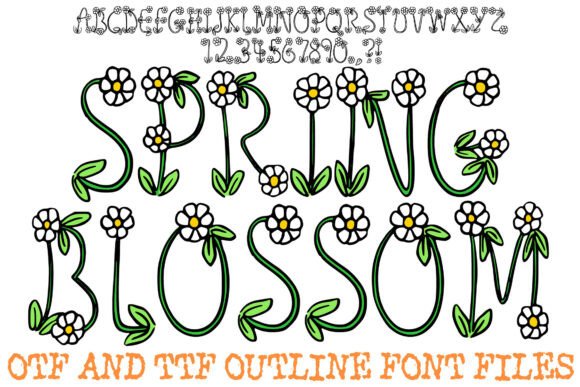
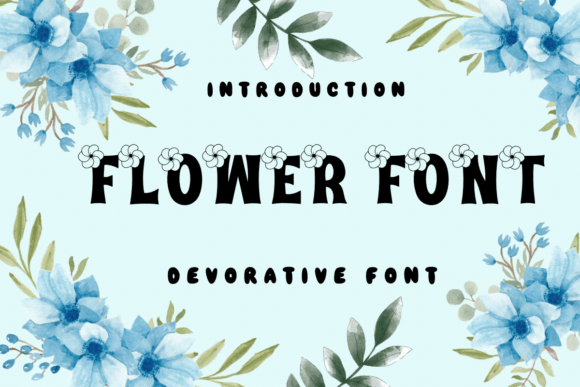
At first glance, the Flower Font stands out because of its clever balance. The letterforms themselves are strong and structured, which keeps them readable even when used at smaller sizes. But look closer, and you’ll see the subtle integration of floral motifs—think vines curling around stems, leaves forming serifs, or blossoms nestled into the curves of a “C” or an “S.” This isn’t a simple script font with a few flowers thrown in; the botanical elements are part of the typeface’s DNA, giving it a cohesive, handcrafted feel.
What makes it particularly useful is that it doesn’t sacrifice clarity for decoration. The boldness of the characters ensures they hold their own in headlines, logos, or signage, while the floral accents add a layer of charm that feels intentional and refined. It’s a typeface that communicates warmth and creativity without shouting, making it ideal for brands and projects that want to convey approachability and artistry.
Where This Font Truly Shines: Practical Applications
The versatility of the Flower Font is one of its biggest strengths. It’s not limited to one niche; instead, it adapts beautifully to a variety of contexts. For instance, in branding and logo design, it can help a business—especially one in the floral, wedding, beauty, or lifestyle space—establish a distinctive visual identity. Imagine a boutique florist or a handmade skincare line using this font for their wordmark; it immediately sets a tone that’s elegant yet inviting.
In packaging design, the font can elevate product labels, boxes, or tags, adding a premium, artisanal quality. For social media graphics, it’s perfect for creating eye-catching quotes, announcements, or promotional posts that need to stop the scroll. The font’s decorative nature also makes it a natural fit for invitations and stationery—think wedding suites, bridal shower invites, or greeting cards where a personal, heartfelt touch is essential.
Even in editorial layouts or blog graphics, the Flower Font can be used strategically for pull quotes, section headers, or featured images to break up text and add visual interest. For small business owners creating merchandise—like tote bags, mugs, or prints—it offers a way to make products feel special and curated. And for those using design software like Canva, Adobe Illustrator, or even cutting machines for craft projects, its compatibility means you can integrate it seamlessly into your workflow.
Choosing and Pairing: Making It Work for Your Project
While the Flower Font is undoubtedly decorative, using it effectively requires a bit of strategy. As a display typeface, it’s best suited for headlines, logos, and short bursts of text rather than long paragraphs. Pairing it with a simpler, highly readable sans serif font or a clean serif font for body copy creates a balanced hierarchy that guides the reader’s eye without overwhelming them.
When selecting this font for a project, consider the overall mood you want to evoke. Its whimsical, organic nature lends itself well to spring themes, garden parties, and romantic aesthetics, but it can also be styled to feel modern or bohemian depending on the color palette and accompanying design elements. Test it at different sizes to see how the floral details render—some intricate elements might get lost at very small scales, so it’s wise to use it where it can be appreciated.
Also, take time to explore what’s included in the font package. Many premium fonts like this come with multiple styles—perhaps a regular, bold, or italic version, or even alternate characters and ligatures that add further customization. Understanding these options allows you to use the typeface more creatively and maintain consistency across your designs.
Integrating Typography into Your Visual Strategy
Typography is a silent ambassador for your brand. The fonts you choose communicate values, set expectations, and create emotional resonance before a single word is read. By incorporating a typeface like the Flower Font into your visual toolkit, you’re making a deliberate choice to infuse your designs with personality and warmth.
For entrepreneurs and content creators, this can be a powerful differentiator. In a crowded market, distinctive typography helps with brand recognition—customers might remember the unique lettering on your packaging or the charming font in your Instagram graphics. It also contributes to visual consistency, which builds trust and professionalism. When your website, social media, and print materials share a cohesive typographic language, your brand feels more polished and intentional.
Just remember that readability should always be a priority. Even the most beautiful font loses its impact if it’s hard to read. Use the Flower Font where it can shine without compromising clarity, and always consider your audience’s experience—whether they’re viewing a design on a mobile screen or holding a printed invitation.
A Note on Licensing and Commercial Use
Before you dive into using the Flower Font for client work or commercial products, it’s crucial to understand the licensing terms. Most premium fonts come with specific licenses that outline how they can be used—whether for personal projects, commercial use, or in products for sale. Some licenses might require an additional fee for extended use, like in merchandise or large-scale distribution.
Taking a few minutes to review the license agreement ensures you’re using the font legally and ethically, protecting both your work and the type designer’s creative effort. It’s a small but important step in professional design practice.
Ultimately, the Flower Font is more than just a decorative typeface—it’s a tool for storytelling. It brings a sense of nature, joy, and artistry to designs, making it a valuable asset for anyone looking to create visuals that feel both beautiful and meaningful. Whether you’re designing a brand identity, crafting social media content, or putting together wedding stationery, it offers a way to make your work stand out with elegance and charm.