Command Attention: Unleashing the Power of the Brother Font
There are times in design when subtlety is a virtue, and there are times when you need to hit your audience with the visual equivalent of a sonic boom. If you have ever found yourself scrolling through endless libraries of clean, minimalist sans-serifs, only to realize your current project requires something far more visceral, you know the struggle. You are working on a heavy metal album cover, an extreme sports brand identity, or perhaps a horror-themed Halloween merchandise line. The standard "edgy" fonts often look cartoonish or lack the structural integrity needed for professional print. This is exactly where the Brother Blackmetal font steps in, offering a specialized typeface that doesn't just spell out words—it screams them.
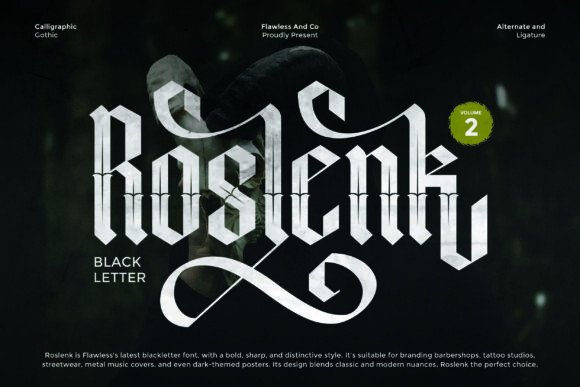
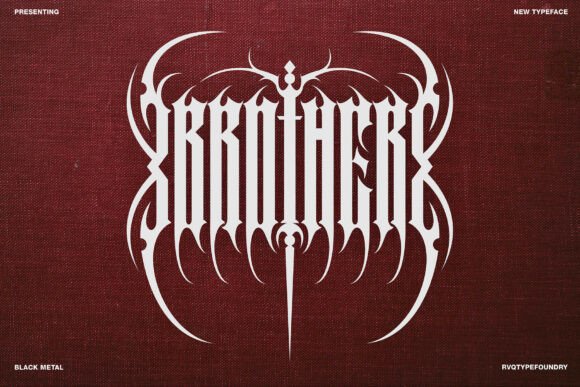
Unlike generic display fonts that try to mimic the chaos of the black metal aesthetic, the Brother typeface brings a disciplined structure to the genre's signature look. It is built upon a vertical structure inspired by classic metal logos, yet it maintains a legibility that is often lost in extreme typography. The defining features are its razor-sharp terminals and symmetrical, blade-like extensions. These are not random decorative spikes; they are calculated design elements that give the letterforms a sense of dangerous precision. For the designer looking to push boundaries, this font serves as a bridge between raw aggression and professional design standards.
Aesthetic Characteristics That Define the Mood
When you load the Brother font into your design software, the first thing you notice is the weight. It commands space. The letterforms are heavy and grounded, designed to dominate the canvas. This makes it a definitive selection for band logos, where the name needs to be visible from across a festival field, or for extreme sports apparel, where the branding needs to convey speed and danger.
The visual appeal of this typeface lies in its ability to maintain symmetry while looking chaotic. In typography, we often talk about "texture," and Brother creates a dense, woven texture even with just a few letters. It avoids the trap of looking like a "scary" font from a 1990s word processor. Instead, it feels modern, sharp, and intentional. The verticality of the characters draws the eye upward, creating a sense of towering height that is perfect for poster designs and merchandise.
Practical Applications for Extreme Branding
While the aesthetic is rooted in the music and horror genres, the applications for the Brother font extend further than you might initially think. It is a powerful tool in the arsenal of any creative entrepreneur or small business owner who deals in niche markets. Here is how you can deploy this typeface to maximum effect:
- Band Logos and Album Art: This is the font's natural habitat. It creates an instant association with heavy music genres, making it the perfect choice for black metal, death metal, or doom bands.
- Horror-Themed Merchandise: If you are selling T-shirts, hoodies, or stickers for a haunted house, a horror podcast, or a Halloween pop-up shop, Brother provides the authentic spooky atmosphere without needing additional graphic effects.
- Extreme Sports Apparel: The sharp, blade-like extensions mimic the feeling of speed and impact found in skateboarding, snowboarding, and MMA branding. It conveys toughness and resilience.
- Gaming and Esports: For stream overlays, clan logos, or tournament branding in fantasy or shooter games, this font provides the "power-up" vibe needed to look professional yet aggressive.
However, using a font this potent requires a strategic approach. You cannot simply type out a sentence and expect it to work. Because of its complex structure, it is best used for headlines, logos, and short bursts of text. Using it for body copy would be unreadable and overwhelming. Think of it as the visual equivalent of a bass drop—it is meant for impact, not for background noise.
Maximizing Impact: Texture and Composition
To truly unlock the potential of the Brother typeface, you must consider the environment in which you place it. A stark black font on a plain white background can look flat. To maximize the impact, layer it over high-contrast textures. Think about the materials associated with the aesthetic: worn fabric, distressed leather, dark stone, or rusted metal.
For example, if you are designing a poster for a metal festival, placing the Brother font over a texture of cracked asphalt or dark concrete will instantly elevate the design. The sharp terminals of the letters will contrast beautifully against the organic randomness of the texture. This technique adds depth and realism, transforming the design from a flat digital image into something that looks tactile and physical.
Furthermore, the font includes alternative glyphs and punctuation. This is a detail often overlooked by beginners but utilized by professionals. By mixing your main text with these alternative characters—perhaps using unique brackets or parentheses for subtext—you can create a cohesive visual language. It allows you to customize the logo or headline to feel unique to the specific brand you are building, ensuring that your design doesn't look like a generic template.
Technical Considerations for Professional Use
As with any premium font intended for commercial use, there are practical considerations to keep in mind. First, always review the licensing. If you are creating merchandise for sale—like T-shirts or packaging designs—ensure your license covers commercial distribution. Most professional design assets include this, but it is a critical step for protecting your business.
Second, consider your font pairing. Because Brother is such a dominant display font, it needs a quiet partner. Pairing it with a clean, sans-serif font for body text is usually the safest bet. A font like Roboto, Helvetica, or a simple sans-serif grotesk will provide the necessary breathing room. Avoid pairing it with other decorative fonts, as this will create visual noise and confuse the viewer's eye. The goal is visual consistency; the headline screams, while the body copy explains.
Finally, test your designs across different mediums. A font that looks great on a computer screen might lose its sharpness when printed on fabric, or vice versa. Check the kerning (the space between letters) carefully. In extreme typography, the letters are often kerned tightly to create that dense, unified logo look, but you must ensure they don't overlap in a way that compromises readability.
Elevating Your Design Portfolio
Adding a specialized typeface like the Brother font to your library is an investment in versatility. It signals to clients and audiences that you understand specific subcultures and know how to communicate with them authentically. Whether you are a freelance designer looking to expand your service offerings, or a business owner trying to capture a specific market segment, having the right typography is half the battle.
It is more than just lettering; it is a visual statement of power. By combining its unique structural elements with thoughtful composition and high-quality textures, you can create designs that do not just occupy space—they dominate it. So, the next time a project calls for something dark, intense, and uncompromising, you will have the perfect tool to command attention.